



Outdoor
MobiClimb is an innovative system for ground-based green façades, where the planting grows directly from the open ground. The system combines an instant green result with natural upward growth along the façade. This creates a strong and healthy foundation for vertical greening from day one, without the need to cover the entire façade immediately with a technical green façade system.
Ground-based green façade with an instant green result
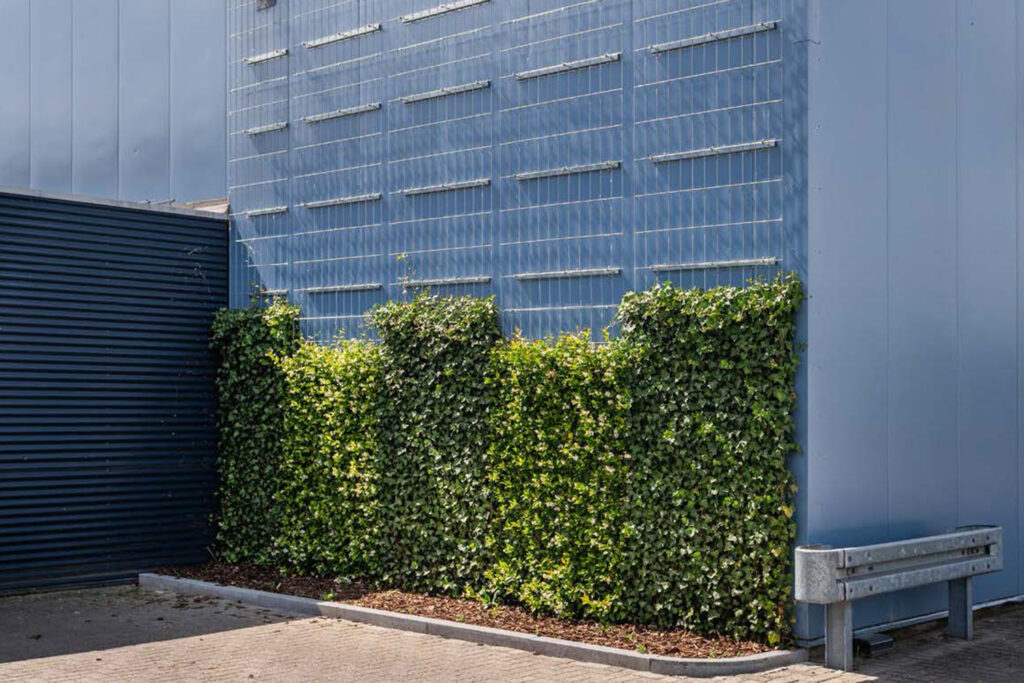
With MobiClimb, the first section of the façade is delivered fully covered from day one. Depending on the project, the system is available in heights from 1.8 to 3 metres. From this pre-grown green foundation, the planting continues to grow naturally upwards along a suitable climbing support system, such as stainless steel cable systems, mesh structures or other façade-mounted climbing systems. This makes MobiClimb an efficient solution for projects where a natural, ground-based green façade is required.
Pre-grown climbing plants for a strong green façade
Unlike young planting material, MobiClimb consists of pre-grown climbing plants with a well-developed root ball. This ensures a high success rate and promotes rapid, healthy growth from the outset. As the planting is already strong and well established at the time of installation, the system can be installed almost year-round, except during frost periods.
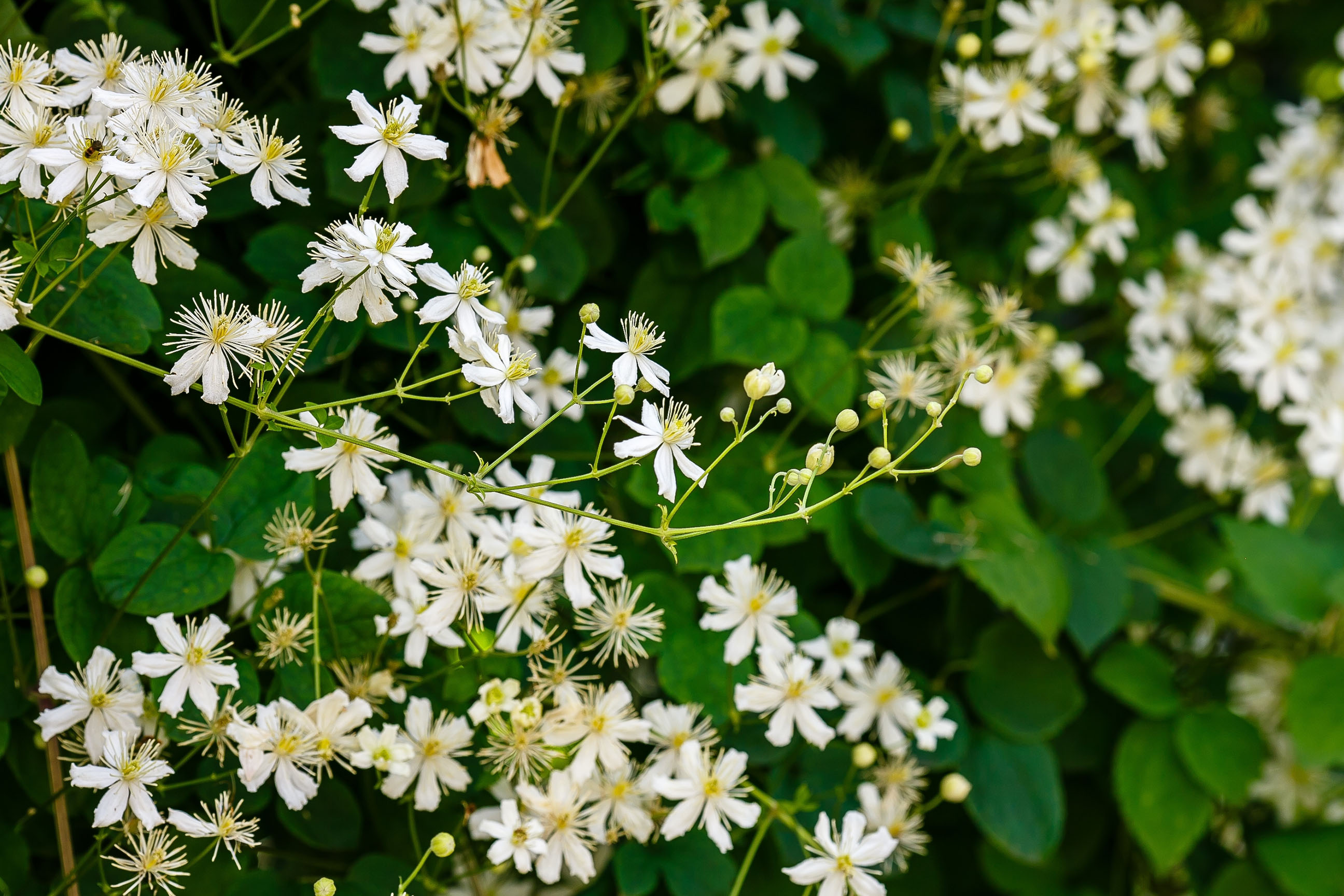
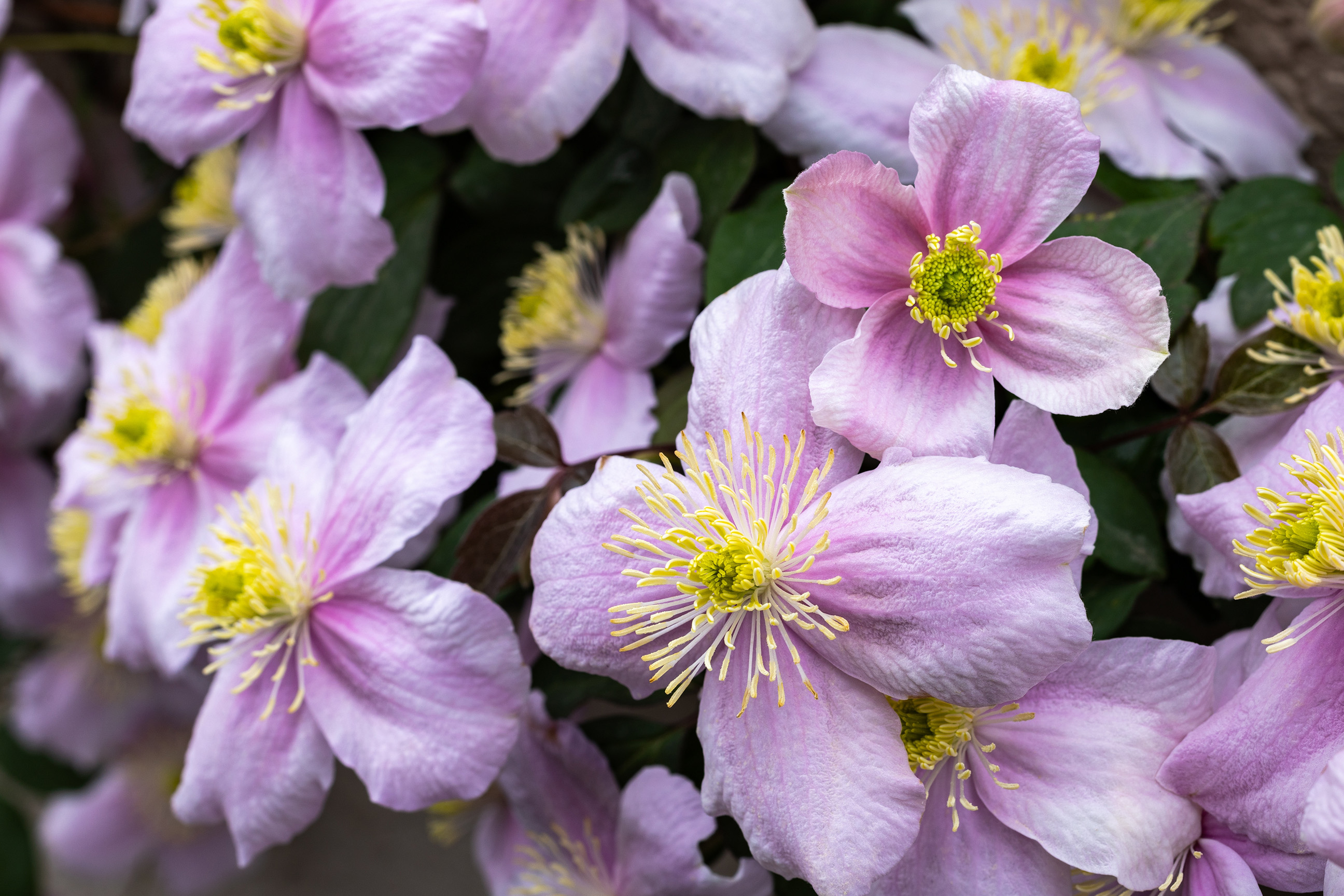
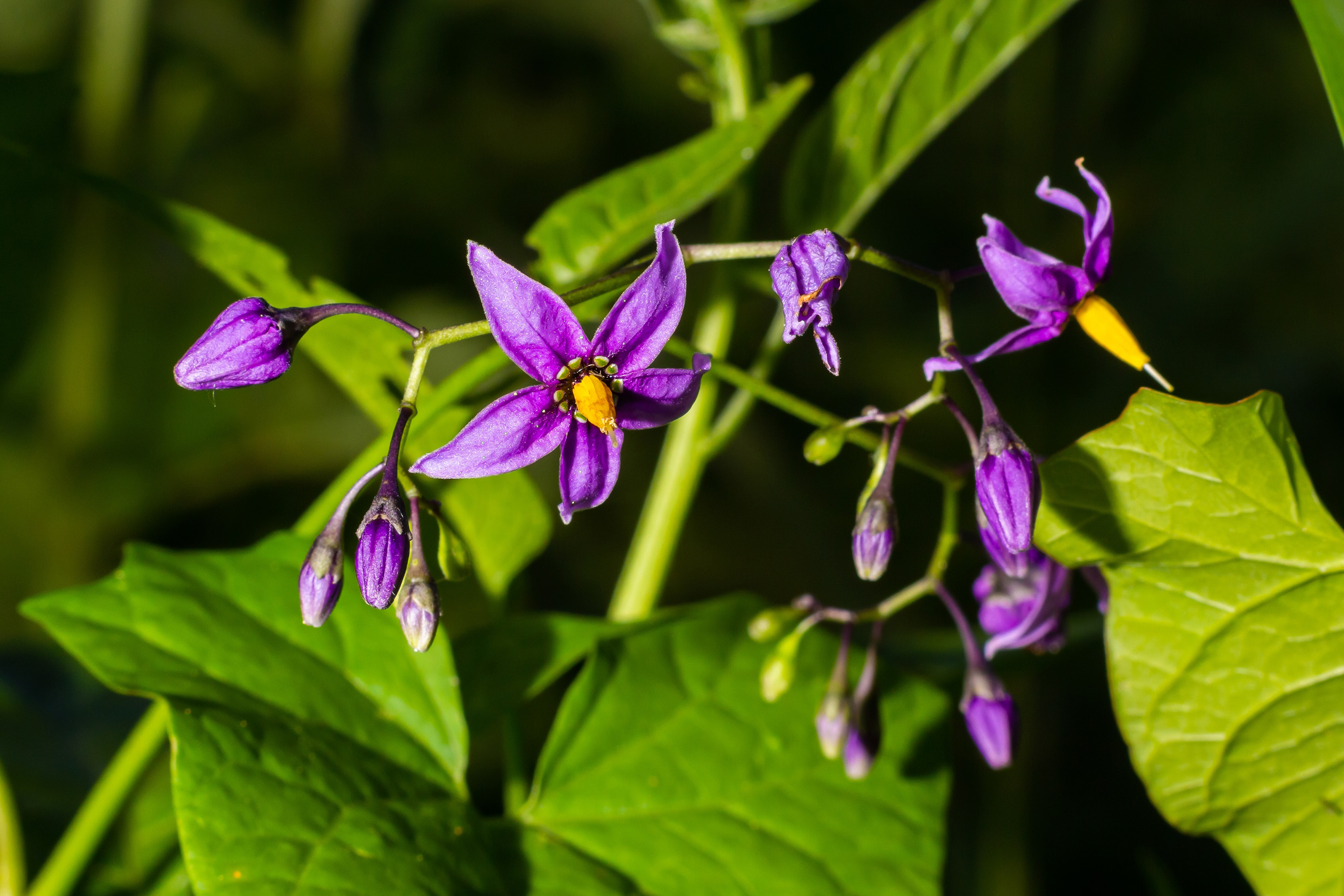
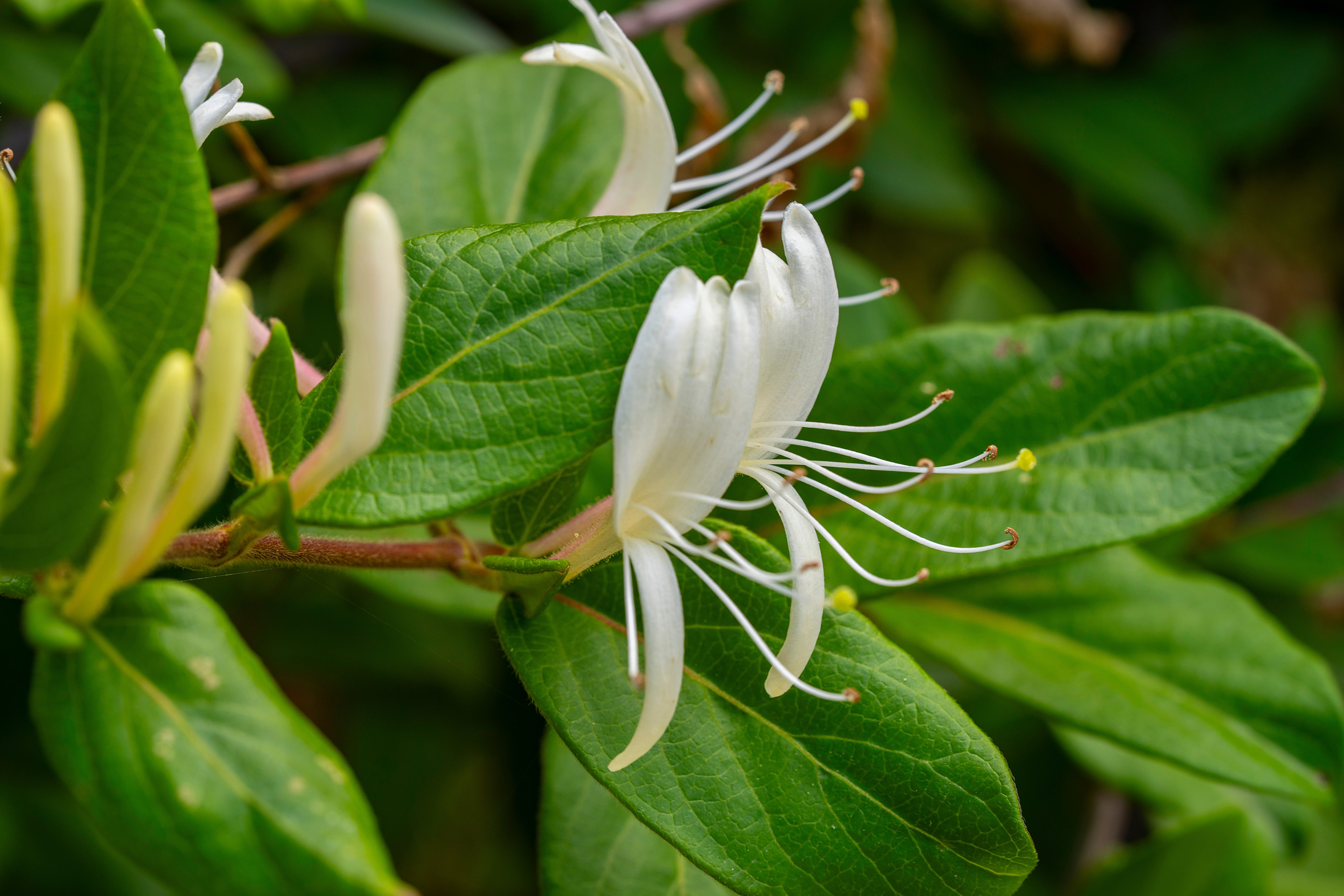
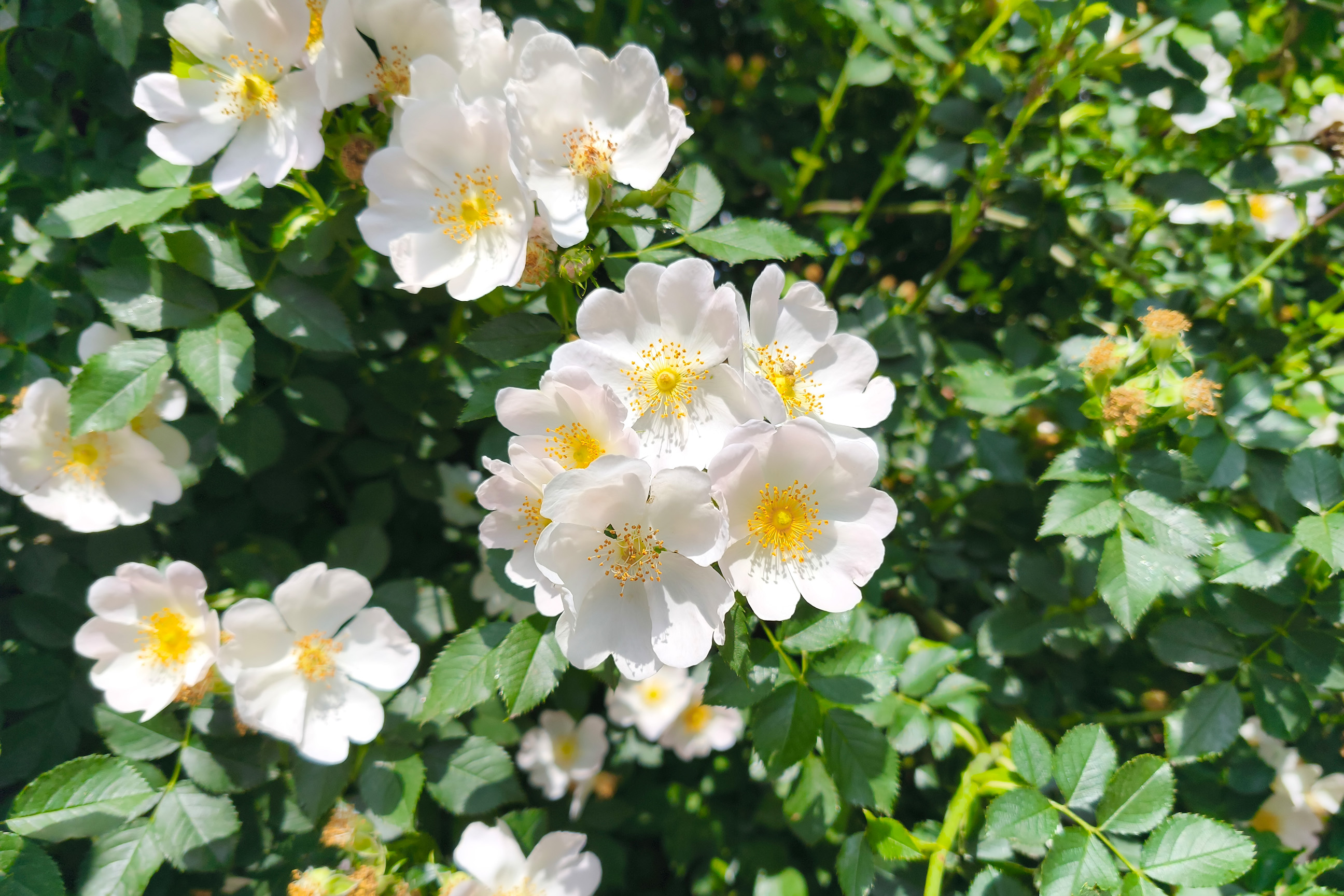
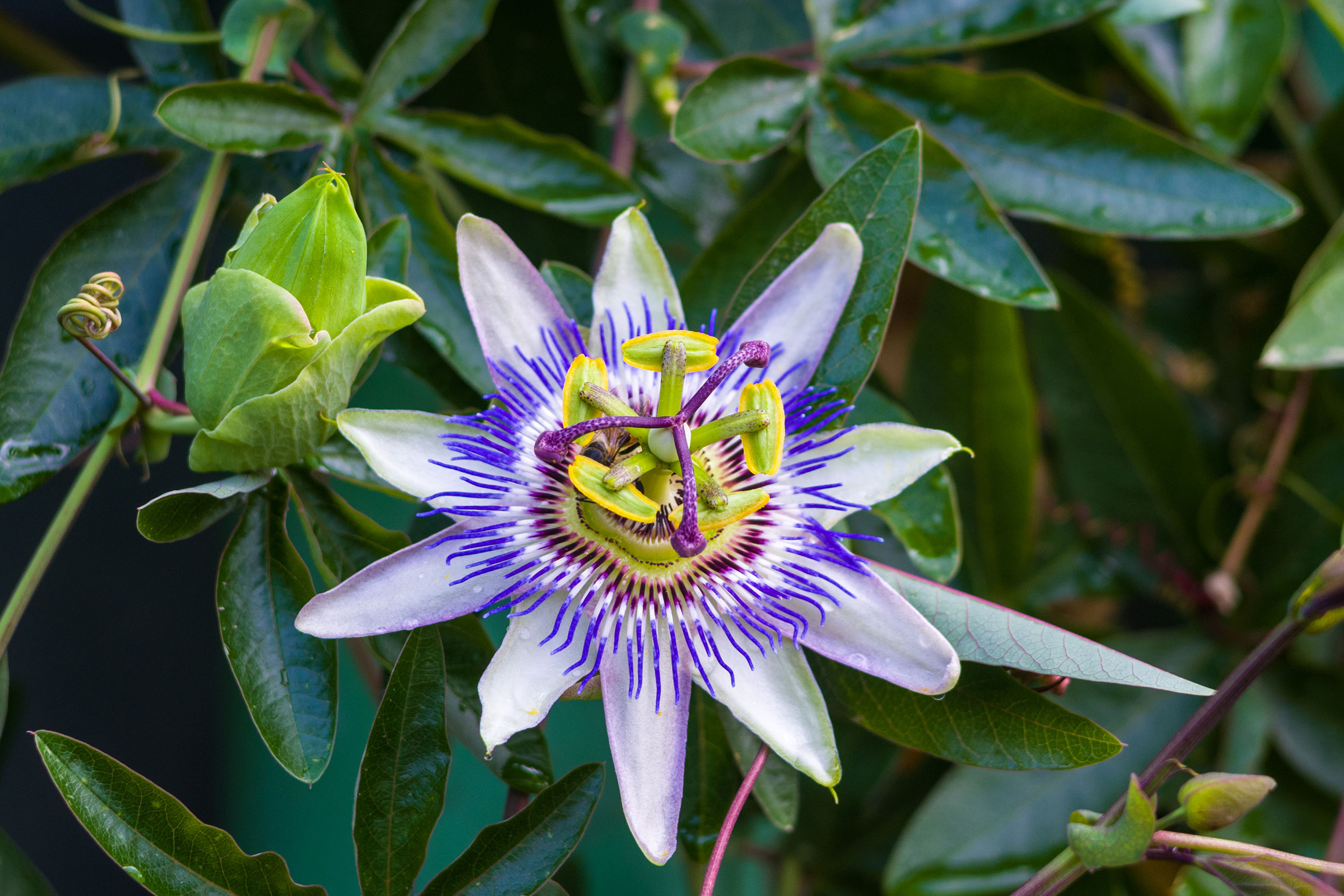
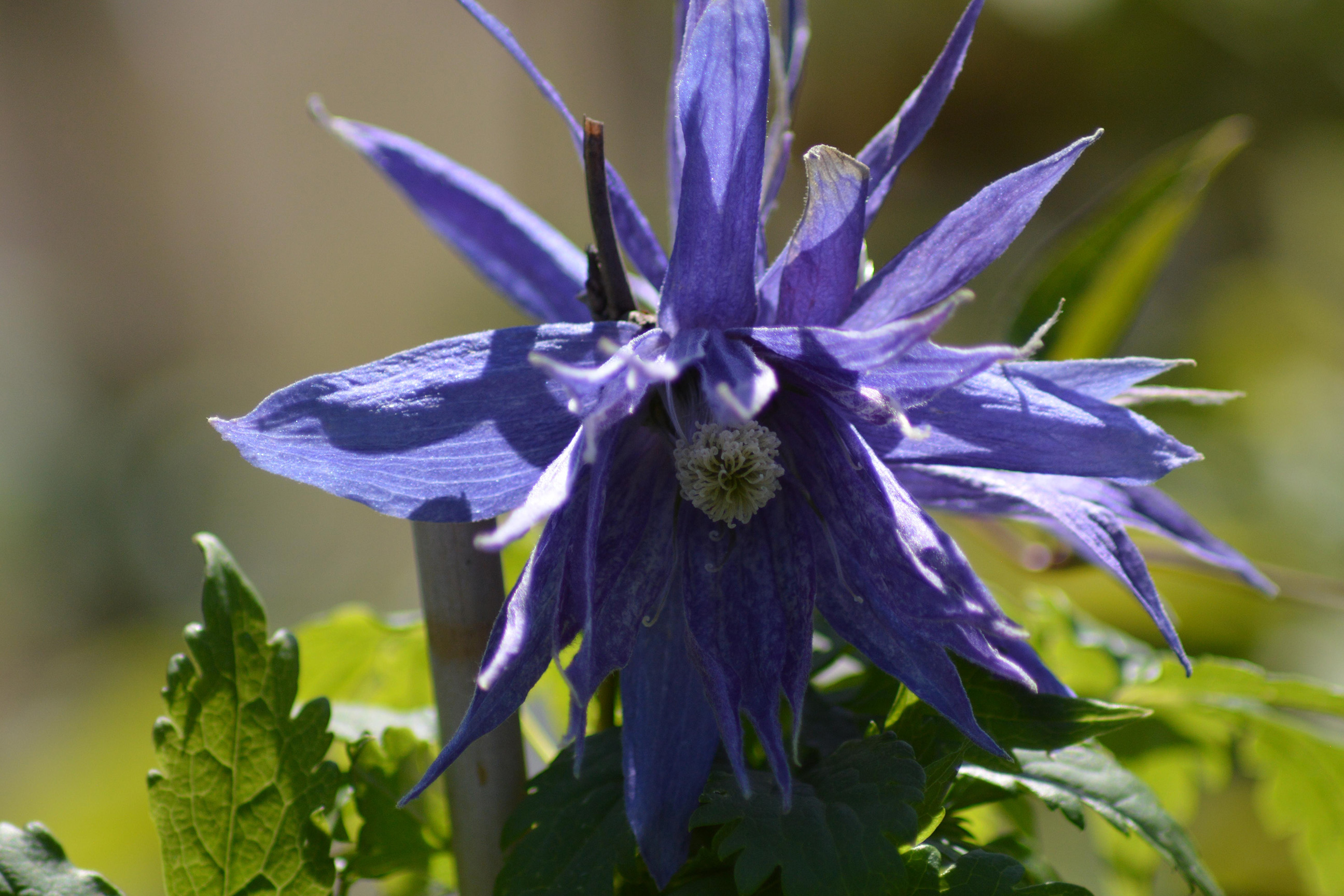
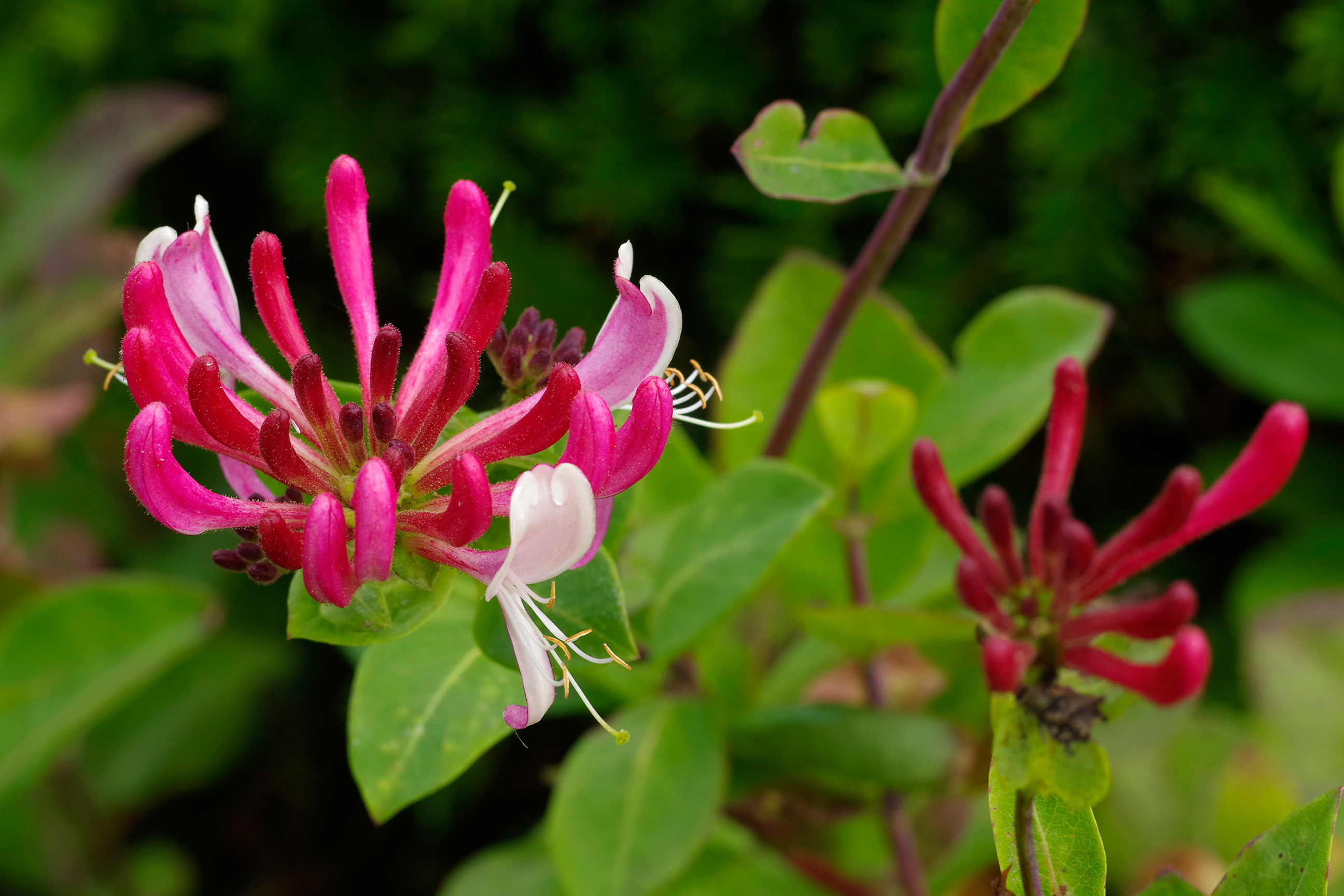
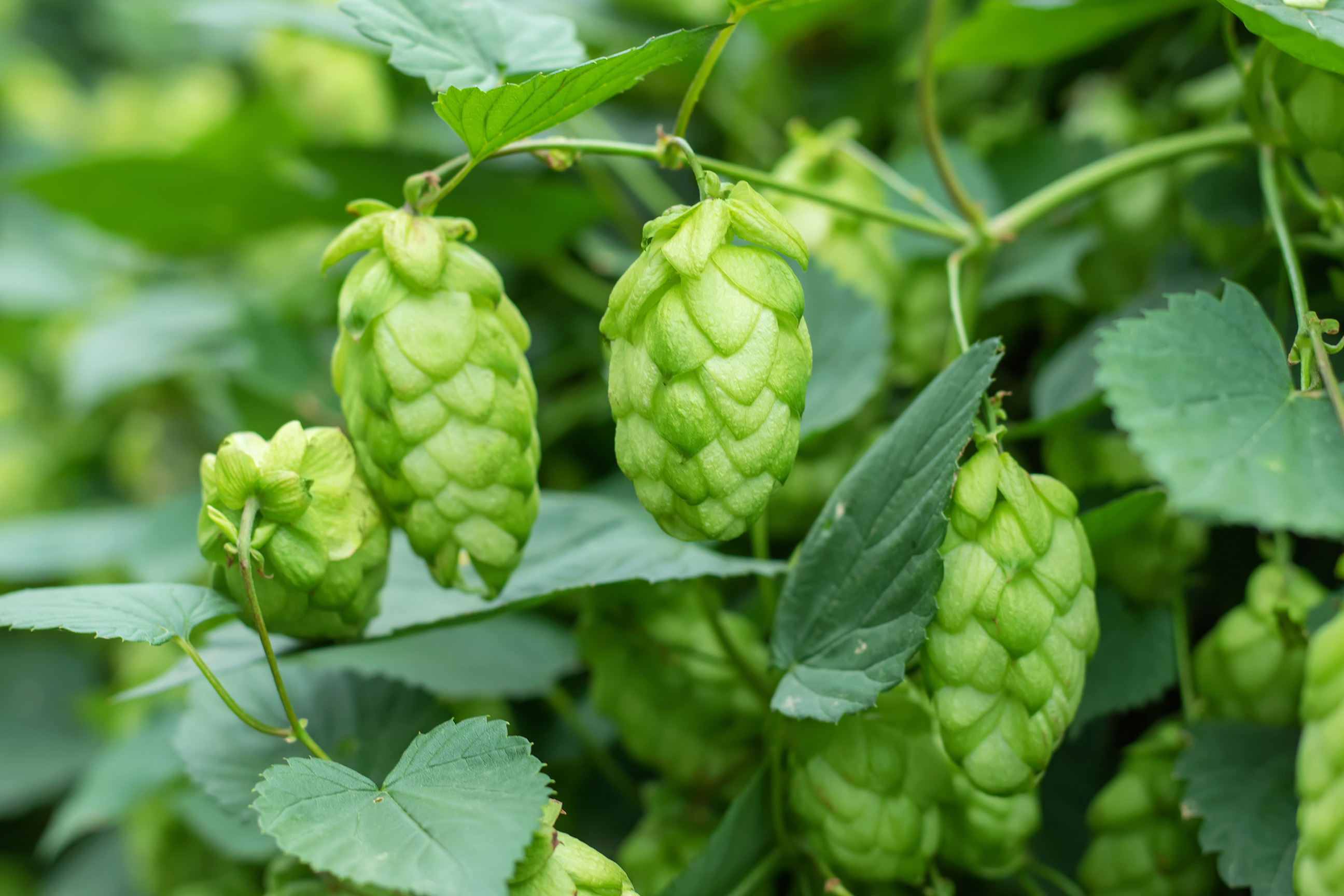
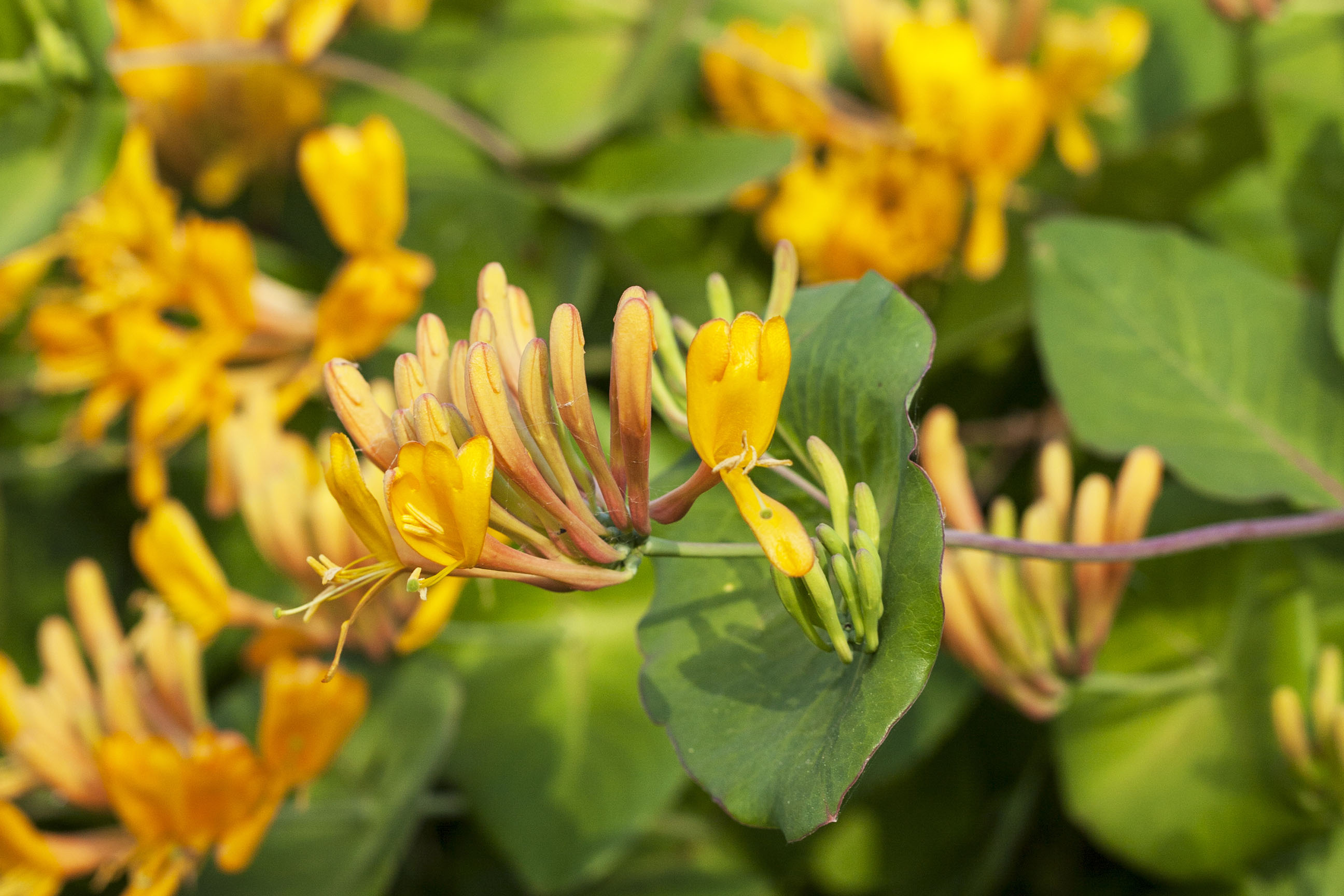
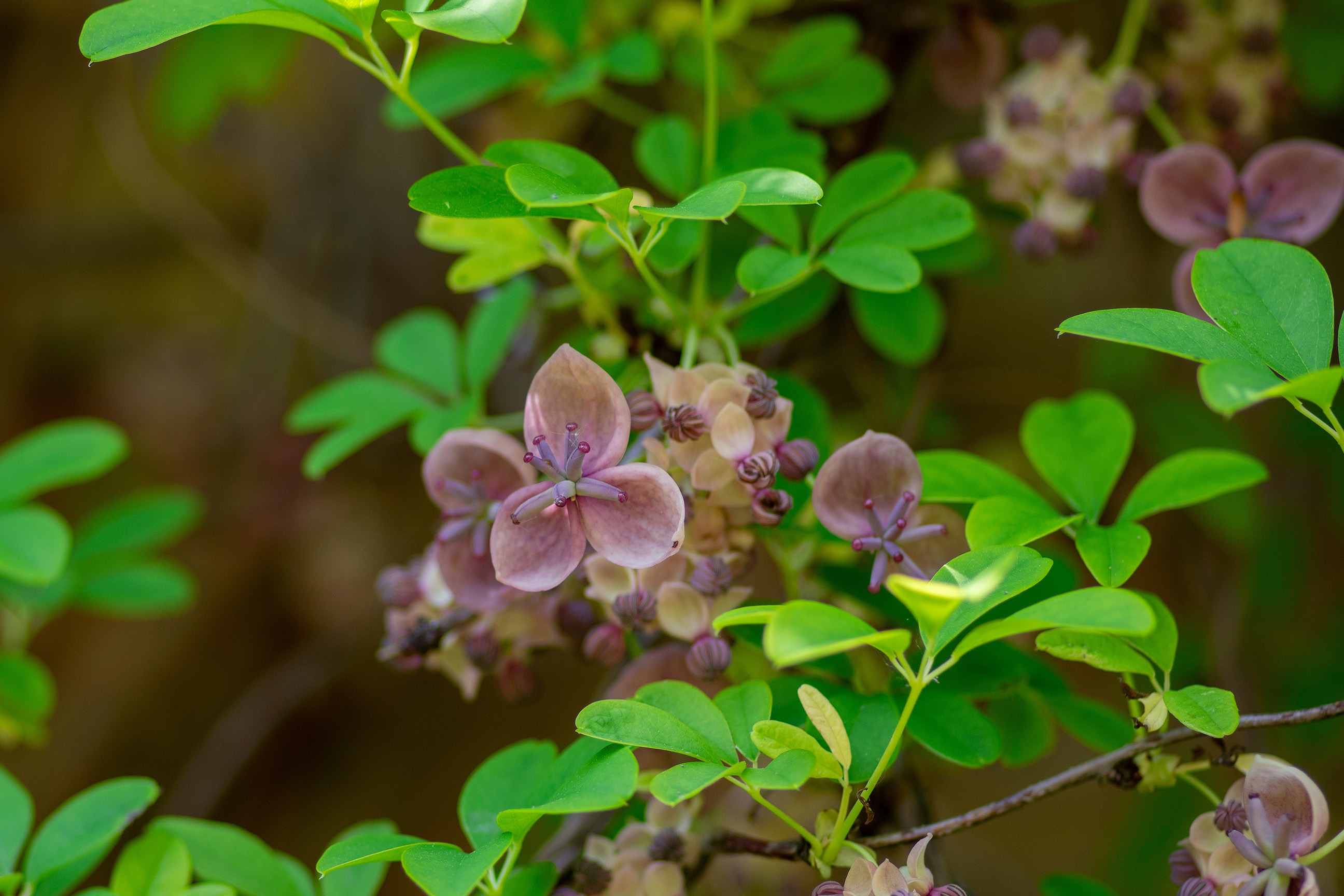
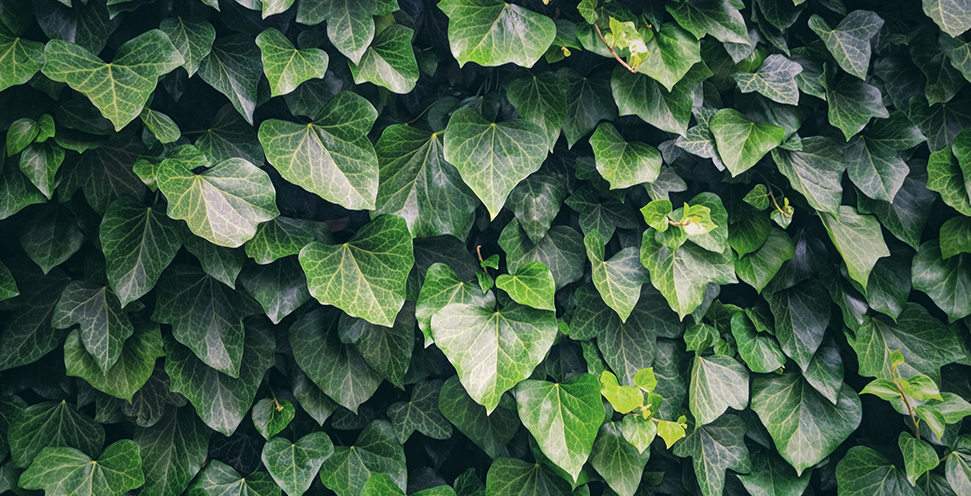
The MobiClimb system is available in various species and heights. Each species has its own appearance and characteristics, ensuring there is always a suitable solution. In addition to the standard range, we can also pre-grow other desired climbing plants. This ensures the MobiClimb system always aligns with the desired look, application and biodiversity goals of your project. We are happy to advise you based on your requirements and project environment.
Natural green façade with any climbing support system
A key advantage of MobiClimb is that the façade has an immediate green appearance, while the planting continues to develop naturally over time. The pre-grown green foundation can be combined with various climbing support systems, such as stainless steel cable systems, mesh structures or other façade-mounted climbing systems. This creates a flexible solution that can be adapted to the desired appearance, façade height and project requirements.
Ground-based green façades for new-build and renovation projects
MobiClimb is suitable for a wide range of applications, including new-build and renovation projects, commercial buildings, residential developments, multi-storey car parks, schools and climate-adaptive developments. The system contributes to cooling, enhances biodiversity, improves the living environment and creates greener buildings and outdoor spaces.
A sustainable green façade growing directly from the ground
As the plants grow directly from the open ground, MobiClimb is a sustainable and future-proof solution. The planting has the space to develop naturally and requires relatively little technology compared with fully façade-mounted green wall systems. For healthy and even plant development, the system can be combined with an irrigation system, which can also be connected to rainwater.
Low-maintenance ground-based green façade
Maintenance requirements remain low. In most situations, periodic inspections, guiding the climbing plants and pruning approximately twice a year are sufficient. This makes MobiClimb a practical and cost-effective solution for creating a strong ground-based green façade with an instant green result and natural long-term development.
Unique features
- An instantly dense façade zone, available up to 3 metres high
- Flexibly extendable with climbing support systems
- Strong root development from day one thanks to pre-grown plants
- Freestanding climbing support structure, separate from the facade
- Sustainably and certified grown
- Irrigation system (optional with rainwater use)
- Low maintenance requirements (approx. twice per year)
- Can be installed year-round (except during frost periods)
- High-quality grid with a 10-year guarantee
Benefits
- Instant green facade base without waiting time
- Strong, pre-grown plants with a high success rate
- Ideal to combine with existing climbing support systems
- Enhances biodiversity and the living environment
- Improves air quality and captures fine particulate matter (40–60%)
- Contributes to natural insulation and cooling
- Suitable for both new-build and renovation projects
- Quick and efficient to install
Frequently Asked Questions
A ground-based green façade is a façade greening system in which climbing plants establish their roots in the soil and grow upwards along a climbing support. Unlike living wall systems, the plants are not grown in containers attached to the façade but develop naturally from the ground. This provides a larger rooting volume for natural long-term development and allows the planting to become an integral part of the surrounding landscape.
Ground-based green façades combine natural plant growth with relatively simple construction. Depending on the plant species and project design, they can contribute to an improved microclimate, provide façade shading and enhance biodiversity. They are suitable for both new-build and refurbishment projects and can be adapted to a wide range of building types.
A ground-based green façade is particularly suitable where sufficient planting space at ground level is available and long-term plant development is desired. It is often specified for offices, residential buildings, schools, hotels and public buildings where a naturally growing green façade is preferred over more technically complex systems.
Successful integration begins during the early design stages. Architects should consider rooting volume, maintenance access and climbing support fixing as well as façade orientation, irrigation strategy and coordination with windows, drainage and shading elements. Early planning helps ensure reliable long-term performance.
Ground-based green façades can contribute to urban cooling, façade shading and increased biodiversity. Depending on the plant species and project design, they can also provide habitat for insects and pollinators while supporting climate-resilient urban environments and improving the quality of outdoor spaces.
Ground-based green façades with climbing support
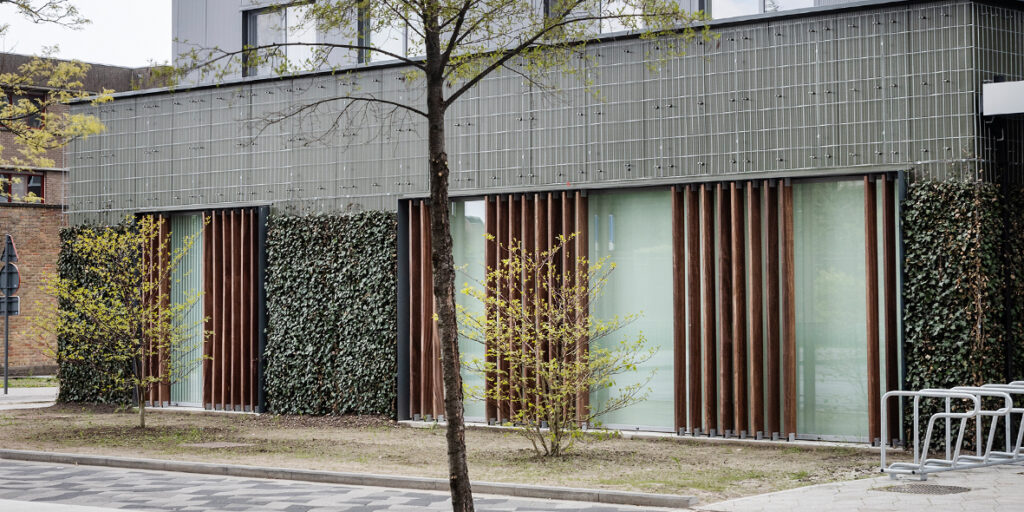
Ground-based green façades with climbing support offer a simple and sustainable way to green building façades. Climbing plants grow directly from the open ground and are supported by a robust climbing support structure mounted from the façade, preventing damage to the building while providing the plants with optimal space to develop.

Instantly green up to 3 metres
An instantly dense green façade up to 3 metres high, without years of waiting.

High quality
High-quality materials ensure a long service life and a healthy green façade.

Sustainably grown
The ground-based green façade is sustainably grown under the “On the way to PlanetProof” certification.